
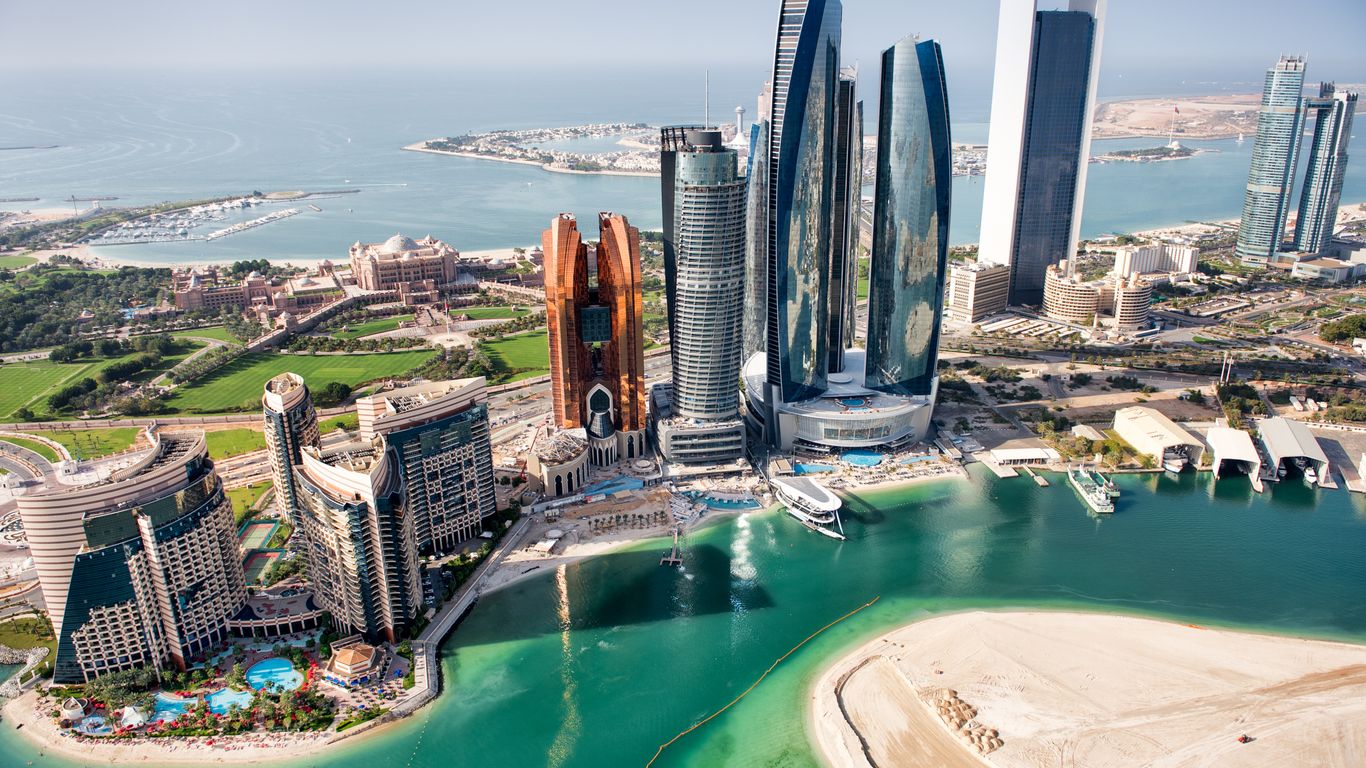
How Rental Yields Differ Across UAE Cities: Dubai vs Abu Dhabi
Published on November 10, 2025 · 6 min read
Investing in real estate in the UAE has become one of the most lucrative opportunities for both
local and international investors. However, rental yields—the annual return on property
investment—can differ widely depending on the city, neighborhood, and type of property.
Understanding these differences is essential to making smart investment decisions.
What is Rental Yield?
Rental yield is the percentage of annual rental income compared to the property’s purchase
price. For example, if a property is purchased for AED 1,000,000 and generates AED 70,000 per
year in rent, the rental yield is 7%.
Keywords: rental yield UAE, property ROI Dubai, investment apartments UAE
Dubai vs Abu Dhabi: City-by-City Comparison
- Dubai
Dubai’s real estate market is known for high demand and dynamic growth, especially in areas
popular with expats. Key points:
- Average rental yield: 5–7% for apartments, 4–6% for villas.
- Top rental areas: Downtown Dubai, Dubai Marina, Jumeirah Lake Towers (JLT),
Business Bay. - Factors affecting yield: Proximity to metro stations, commercial hubs, and lifestyle
amenities.
Pro Tip: Apartments in newly developed areas like Dubai South and Dubai Creek Harbour can
offer slightly higher yields due to lower initial prices.
- Abu Dhabi
Abu Dhabi is the UAE’s capital, with a more stable but slower-moving property market
compared to Dubai.
- Average rental yield: 4–6% for apartments, 3–5% for villas.
- Top rental areas: Yas Island, Al Reem Island, Saadiyat Island, Khalifa City.
- Factors affecting yield: Government infrastructure projects, office hubs, and proximity
to universities or cultural centers.
Observation: Villas in prime neighborhoods like Saadiyat Island often attract high-end tenants
but yield slightly lower percentages due to the high property prices.
- Other UAE Cities
While Dubai and Abu Dhabi dominate, Sharjah, Ras Al Khaimah, and Ajman are emerging
markets:
- Sharjah: Rental yields around 6–7% due to lower property prices and high demand from
working-class expats. - Ras Al Khaimah & Ajman: Yields can reach 7–8% in select areas for budget-friendly
apartments.
SEO Angle: Highlight these cities as alternatives for investors seeking higher rental returns at
lower entry costs.
Factors That Affect Rental Yields in UAE
Quality of the property: Modern finishes, smart-home features, and amenities improve
rental value.
Keywords: top rental areas UAE, property ROI Dubai, rental income UAE
Property type: Apartments usually yield higher percentages than villas.
Location: Proximity to commercial areas, schools, or tourist hotspots drives higher rent.
Market trends: Economic shifts, Expo 2020 legacy projects, and new infrastructure can
increase or decrease yields.
Final Thoughts
When comparing Dubai vs Abu Dhabi rental yields, investors should consider not only the
percentage return but also capital appreciation potential. Dubai may offer slightly higher rental
yields, while Abu Dhabi offers long-term stability. Emerging cities like Sharjah or Ajman
provide attractive yields for budget-conscious investors.
Understanding these differences helps investors maximize rental income and make informed
property decisions in the UAE real estate market.